

✯✯✯✯
It’s easy enough to look at a film like My Sunshine and then assume that you’ll be in store for something that’s rather adorable. But even then, the offset that everything might seem cozy and adorable might just as well be what opens up another realm for greater emotional devastation. That just as well might be a perfect descriptor for what My Sunshine presents. It carries that look so as to welcome just about any viewer, but the moment you realize where the crux of this story comes forth is where the film takes you by surprise.
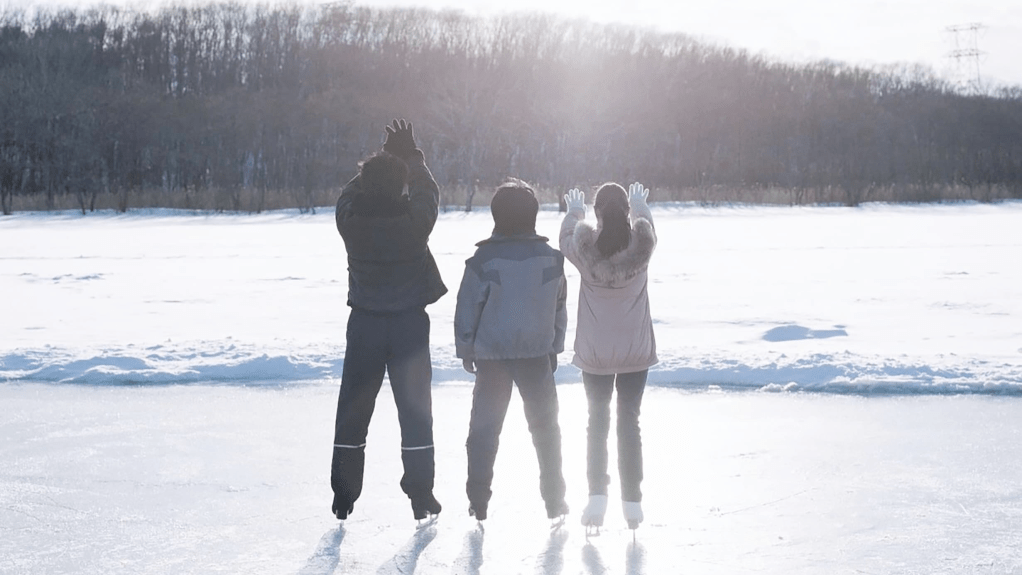
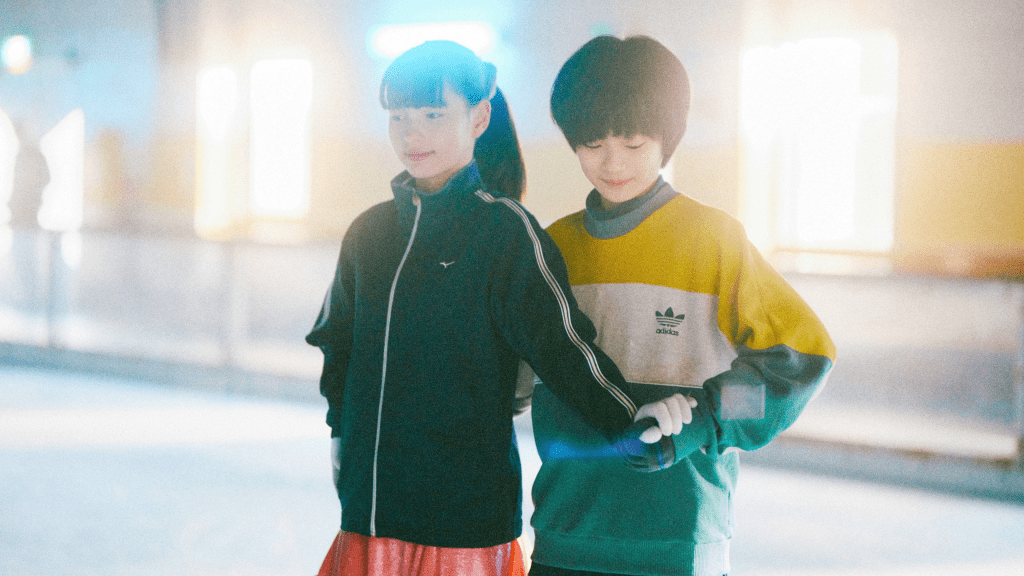
A coming-of-age film, My Sunshine is a movie set on a small Japanese island as winter hits. Takuya (Keitatsu Koshiyama) is a shy boy with a stutter who’s expected to play ice hockey together with his friends, but he’s not very good at the sport. Instead, he’s more interested in figure skating and takes interest in Sakura (Kiara Nakanishi), a rising star from Tokyo. Hoping to get closer to her, he takes up the guidance of Arakawa (Sosuke Ikematsu), a gay coach and former figure skating champion. From there on comes a beautiful tale challenging societal norms about how young boys should grow up, let alone how they should live their own lives.
Writer-director Hiroshi Okuyama’s cues feel as if they’d mostly been lifted from the work of fellow Japanese auteur Hirokazu Kore-eda. Okuyama creates a welcoming atmosphere that almost feels so nostalgic, so as to evoke memories of what it feels like to be a young child discovering what your passions in life were despite what other kids around you would be into. Every minute of this movie feels so distinctly comforting, so as to ensure that younger viewers can find something that they relate with in Takuya’s shyness – but it also feels like a reminder for adults who remember what this phase of their life was like.
Even then, that wholly comforting atmosphere which Okuyama creates is where the biggest surprises and eventual heartbreaks from My Sunshine come about. This is a film all about how children need a sense of guidance to ensure that they can grow comfortably, without needing to feel that pressure to fit in with everyone else. Its three protagonists all feel like they are out of place in some manner, yet it’s their shared love of figure skating that ultimately brings them together.
Yet when My Sunshine isn’t solely focusing on figure skating, its glimpses into the lives that Takuya, Sakura, and Arakawa all lead never are as simple as what they present in front of each other. For Takuya, everyone expects him to be a star athlete, but his shyness and overt stutter keep him away from other boys of his age. Sakura, being from Tokyo, feels out of place on a smaller island, but it’s also where she receives coaching from Arakawa. And Arakawa at the center of everything, is gay, but Japan does not recognize same-sex marriages and thus he struggles with a search for the glory that he once lived.
These distinct identities that they cannot share with each other feel like a criticism from Okuyama directed towards Japan’s socially conservative standards – but in the case of both Takuya and Arakawa, the passions that drive them forth are both deemed acceptable for girls like Sakura. Thus it becomes evident that My Sunshine is a film all about people who are hurting as a result of such expectations, and how their pain is internalized within their own domestic lives. Eventually, it all comes to a point where even Sakura finds that she’s deeply hurt too, as Arakawa continually hits praises towards Takuya, despite being a newcomer to figure skating.
At the end of the day though, it only feels like the warmth that Okuyama cloaks you within in My Sunshine just opens up room for more heartbreak. It all hits completely out of the blue, but it’s also not an unexpected turnabout either – which perhaps only further stresses that pain all the more. It also speaks towards how societal perceptions of people who differ from heteronormative standards don’t just hurt queer people, but they hurt children too. It comes clear though, that because of these perceptions, the shy Takuya ends up hurting the most, especially after having found a sense of being accepted through Arakawa’s guidance.
My Sunshine is warm one moment, but heartbreaking the next. It’s a beautiful movie that will take you out of the blue, especially with the look that it presents only being one layer of what’s a very beautiful story about confronting gendered expectations at such a young age. But this completely gentle atmosphere that Hiroshi Okuyama presents this story within, only ends up making him one among the most exciting new Japanese filmmakers working today. It’s the sort of gentleness that just catches you by surprise, but by the end of it all, you’ll find that young Takuya will have stolen your heart.
Watch the trailer right here.
All images via Charades.
Directed by Hiroshi Okuyama
Screenplay by Hiroshi Okuyama
Produced by Toshikazu Nishigaya
Starring Keitatsu Koshiyama, Kiara Nakanishi, Sosuke Ikematsu
Premiere Date: May 19, 2024 (Cannes)
Running Time: 100 minutes


 Cinema from the Spectrum
Leave a comment