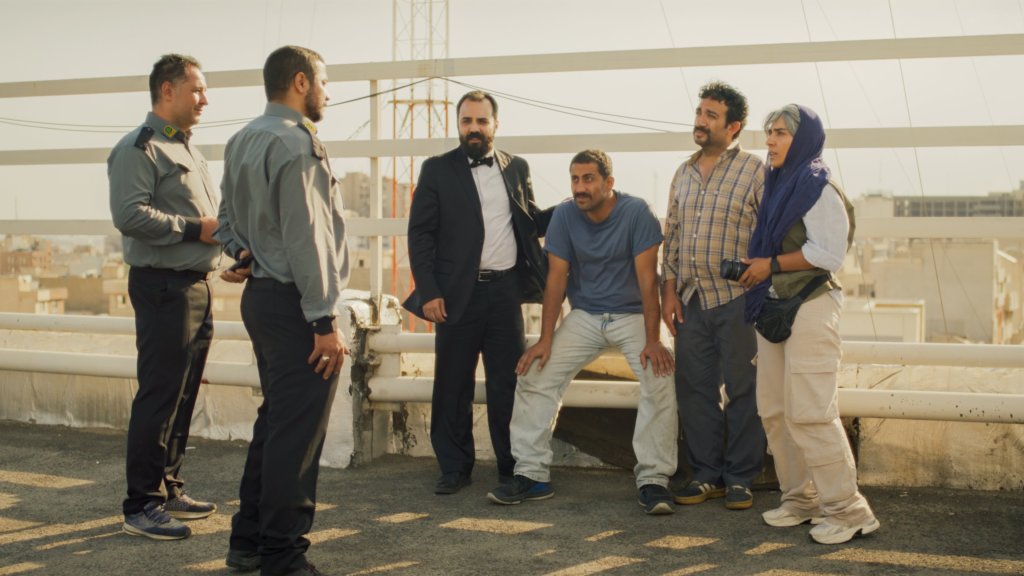

In 2010, Iranian filmmaker Jafar Panahi was arrested and sentenced to a 20-year ban from making films and travelling. But this didn’t stop him from making movies outright; in fact, it might have given him another venue to make angrier and more urgent works. This all is channelled in It Was Just an Accident, which garnered Panahi the Palme d’Or, and made him the fourth filmmaker to win the top prizes at the three major European film festivals: Cannes, Venice, and Berlin. Being Panahi’s first film since his imprisonment in Iran, it may come off as no surprise that the resulting film is maybe his most pointed critique of the Iranian government and its oppressive policies on its own citizens. It’d be enough for Panahi to create a great thriller, but it’s also where a more complex moral dilemma is in play. Panahi puts you in an uncomfortable position of wrestling with your own preconceived notions, and delivers one of the very best films of the year.
As the film opens, we’re seeing an unbroken shot of a family driving down a road, very late at night. Everything about this seems so ordinary, because it’s a father, mother, and daughter trying to enjoy themselves despite being seemingly far away from their home. The car breaks down on their way home, and they drive up to an auto shop to get a repair. While there, the mechanic, Vahid (Vahid Mobasseri) believes he recognizes the car’s owner, Eghbal (Ebrahim Azizi), as one of his former torturers while he was imprisoned by the Iranian authorities. It’s the sort of film that only a filmmaker like Jafar Panahi would be able to make while taking upon his own experiences with the Iranian regime. Not only is that where It Was Just an Accident becomes more powerful, but it’s quite arguably the most direct confrontation of budding authoritarianism that Panahi himself could make.
This is a movie built on ordinances, a setting that looks familiar, so that you’re finding yourself within the same moral dilemma that Vahid is facing. It’s a setup that opens up possibilities in which one could contemplate the results of their own actions, but it’s also indicative of how the rise of authoritarianism in Iran would also distort the way we see the world. Vahid is someone who has been very deeply scarred by his own experiences while imprisoned, and even the sound of Eghbal’s prosthetic leg would be enough to bring back his trauma from having endured the worst of this regime. Should it turn out that Eghbal is indeed his torturer from prison, the opportunity for revenge is available; but Panahi opts to paint a more complicated picture. It could also be possible that Eghbal is an innocent man, and about to become an indirect victim of the very same regime that scarred Vahid for life.
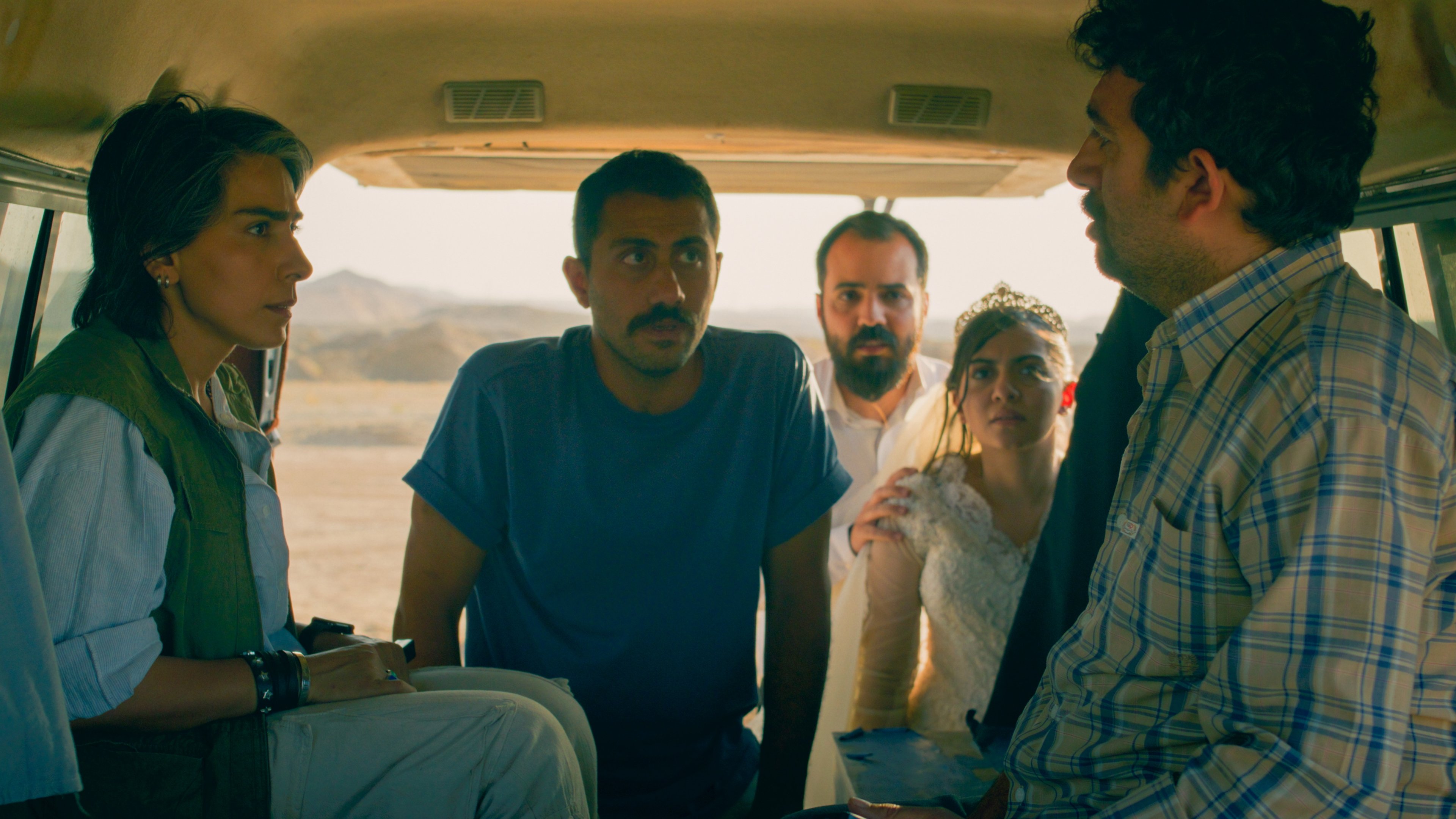
Panahi crafts this film in the manner of a thriller, which only places us inside the uncomfortable spot of dealing with the possibility of an innocent man being subject to violence one would never dream of enacting on anyone else. The idea that a torturer who worked on behalf of an oppressive regime could look like an ordinary family man might just leave one wondering about how people around himself would be impacted by their own history. And as such, we’re seeing the innocence of his family contrasted with the presumptions about Eghbal’s identity as Vahid remembers him – but combined with the testimonials of former captives who might be able to identify the torturer. Even those who still maintain their anger would not be as reliable as Vahid would hope, but the more this ordeal goes on, we’re left wondering what any of the ex-prisoners whom he has met are thinking. Would it even be worth it satisfying a revenge plan, at the cost of taking it out on a potential innocent.
With difficult questions being laid on the table, Jafar Panahi has created a wholly mesmerizing study of authoritarianism. It all starts by the manner of a simple accident, before snowballing into a bigger ordeal that ends up involving an innocent party with Eghbal’s own family. The answer regarding whether Eghbal was Vahid’s torturer is not important anymore. And yet, while Vahid and every ex-prisoner whom he has gathered to identify the man who brutally abused them knows what they have in mind, Panahi ponders as to what motivates people to carry these grudges. He knows that none of them are at fault either, which only makes for a more nerve-wracking case study as the ordeal of driving around a kidnapped man is stretched out to last longer than expected.
Considering the circumstances that surround filmmaker Jafar Panahi in his own home country, It Was Just an Accident only reaffirms him as one of the most crucial working directors. Being his first film made after his own ban from filmmaking and travelling, the fact that It Was Just an Accident was still made illegally might only make a perfect case why his films are more necessary than ever. They’re not just essential towards understanding how Iran’s regime can infringe on the rights of ordinary citizens, but they also address how long these wounds stay fresh. Even in moments where Panahi enters the realm of dark comedy, we still find ourselves in a complex moral dilemma – one only furthered by a lack of certainty in what would be accomplished in the end. In the end, this might be indicative of how an oppressive regime takes more victims.
Watch the trailer right here.
All images via NEON.
Directed by Jafar Panahi
Screenplay by Jafar Panahi
Produced by Jafar Panahi, Philippe Martin
Starring Vahid Mobasseri, Mariam Afshari, Ebrahim Azizi, Hadis Pakbaten, Majid Panahi, Mohamed Ali Elyasmehr, Delnaz Najafi, Afssaneh Najmabadi, Georges Hashemzadeh
Premiere Date: May 20, 2025 (Cannes)
Running Time: 105 minutes



 Cinema from the Spectrum
Leave a comment