
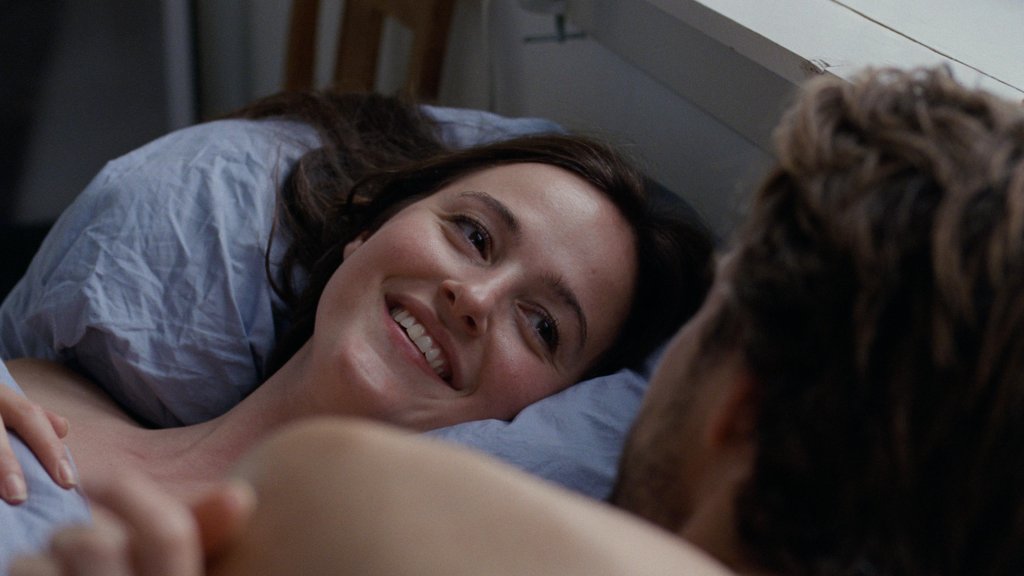

When The Worst Person in the World was released amidst the height of the COVID-19 pandemic in 2021, it tapped into a certain anxiety that came forth with not knowing which direction to take in life. Every minute of it felt therapeutic, especially as we’re watching Renate Reinsve’s Julie figuring out what can bring her a sense of happiness – it’s also among the best films of the decade thus far. Naturally, a follow-up film from director Joachim Trier also featuring Renate Reinsve in the lead role would seem exciting. Sentimental Value perhaps feels like it follows a more familiar route, being a film all about people and their relationship with art, and how it shapes the way we interact with those we know up close. It feels like the fitting way to follow said film, because there’s another insecurity which Trier is tackling head-on, perhaps something that feels more evident with how artists view themselves in relation to the work they make.
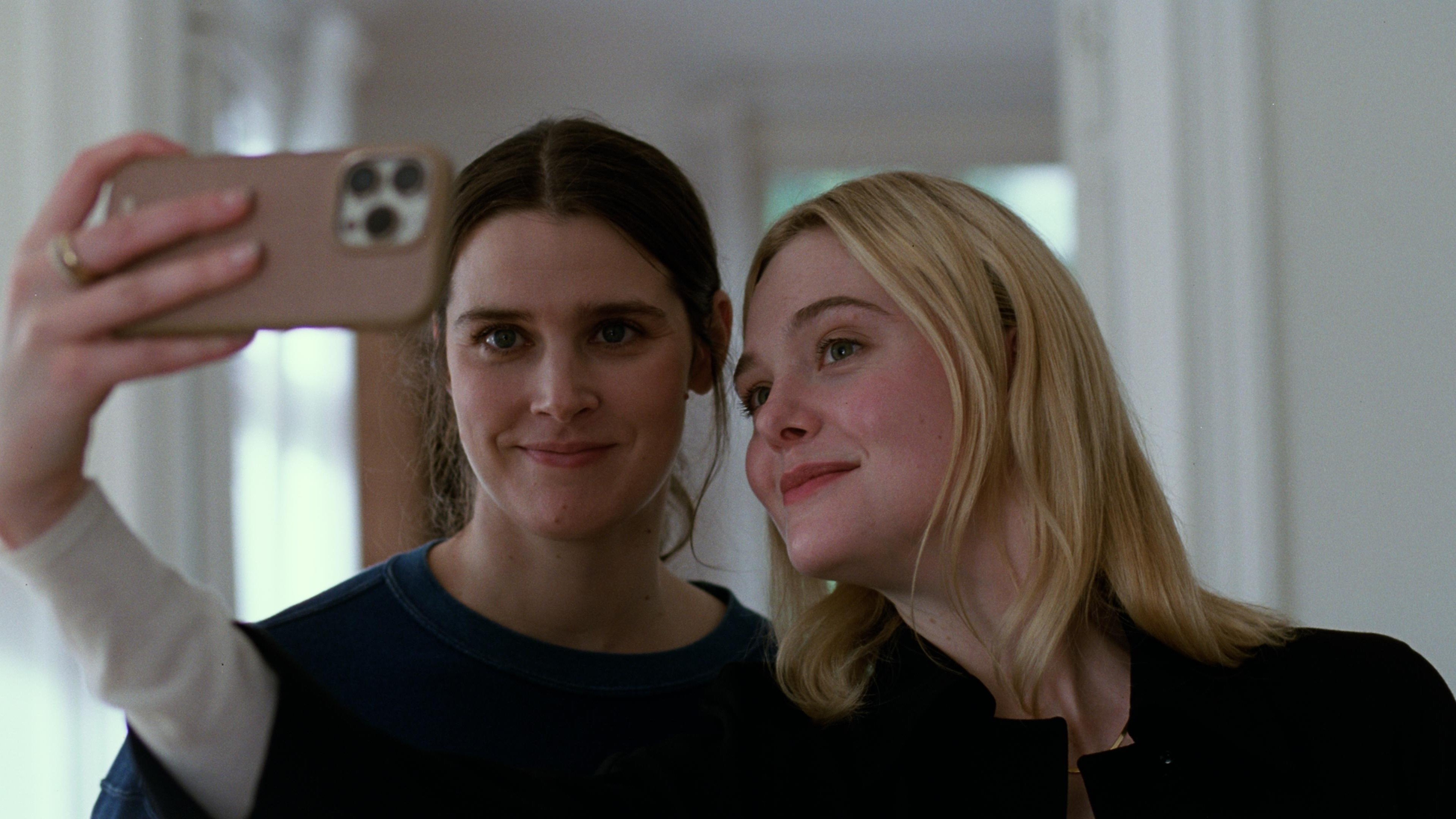
Sentimental Value is a film all about a family of artists: the actress Nora (Renate Reinsve), former star Agnes (Inga Ibsdotter Lilleaas), and once-renowned filmmaker Gustav (Stellan Skarsgård). All three have been estranged from one another for quite some time, but following the death of the family’s matriarch, Nora and Agnes are put in an uncomfortable position of coming face to face with their father once again. For Gustav, an opportunity comes by to make amends through the proposal she plays the leading role in a new script, his first in many years. Nora’s refusal puts him in the spot of hiring the American actress Rachel Kemp (Elle Fanning) to play the lead, which prompts Gustav to attempt to repair both his legacy as an artist and his relationship with his children. It’s another opportunity for Joachim Trier to tap into another insecurity that comes forth with estranged parent-child relationships, but with this also being a film about filmmaking, it might seem more directly personal for the Norwegian director.
Although it’s evident that Sentimental Value takes a more conventional approach than The Worst Person in the World, it’s still felt that it remains every bit as thoughtful. It’s thoughtful in the sense that we’re seeing how art becomes a venue for people who have complicated feelings about their own family to express something that they want most. It’s also where the vastly differing professions of both Reinsve and Skarsgård’s characters end up coming at odds with one another, as Trier confronts that refusal to engage with what we may avoid giving a chance to begin with. From the start, it’s easy to see where this relationship would be strained, with Gustav flatly admitting he doesn’t enjoy theatre, and Nora never explicitly stating her opinions on her father’s films. But there’s also a desire inside themselves to try to seek forgiveness, even if it might seem like they may never understand.
Joachim Trier infuses this story with a great sense of humour, never shying away from self-deprecating bits regarding how a filmmaker sees relationships through the films they watch. In one incredibly funny scene, Gustav gives his ten-year-old grandson DVDs of Michael Haneke’s The Piano Teacher and Gaspar Noé’s Irreversible as birthday presents. On paper, it’s a moment that reads very funny, but it also hints at how someone like Gustav might have a very limited, or even cynical understanding of what it meant to be a good husband to his late ex-wife. Much like the previous Trier-Reinsve collaboration, these funny moments don’t come simply out of a place of wanting to bring a simple joke, but they indicate a sense of sadness at being a failure from the inside. Everyone here feels like they’re stuck in one place, as the title would allude to, hence they hold onto things for sentimental reasons. But it’s also rooted in an idealism that might only strain these familial bonds further.
It isn’t easy being in such a position. Sometimes, we can’t help but laugh about it, because it’s also what brings us closer to one another. As with the case for Trier’s past works, he knows how to make us feel welcome within this family as they’re constantly associating things of little worth with greater meaning. It’s essential to how we make great art, but it’s also where we see that Gustav and his daughters never get the chance to properly connect with one another. This is felt especially as he finds himself incredibly busy modelling the American Rachel Kemp to resemble Nora. The performances all reflect this discomfort, with Renate Reinsve and Elle Fanning being excellent as counterparts to one another. However, Stellan Skarsgård proves himself to be a scene-stealer as he portrays a character who may very well be modelled after Swedish auteur Ingmar Bergman. In some ways, it reads as parody, but it also might prompt audiences to re-examine how they view Bergman’s work, knowing his relationships with people he loved dearly.
That just might be what art is for, in the long run. We engage with it to try to better understand where we are in life, because we don’t know for sure how long these moments will last for. It’s an exercise in forgiving oneself, so that we can become much closer to those we love without jeopardizing the ability to make the art we want most. Joachim Trier examines all of this so thoughtfully from start to finish, and that might be where this portrait of a dysfunctional family becomes very beautiful. It shows itself to be much more complex than what one may let onto, for we simply have to move along with it without giving so much as a second thought. That may indeed be enough to create something deeply beautiful, and Sentimental Value shows itself to be one of the year’s best.
Watch the trailer right here.
All images via NEON.
Directed by Joachim Trier
Screenplay by Joachim Trier, Eskil Vogt
Produced by Maria Ekerhovd, Andrea Berentsen Ottmar
Starring Renate Reinsve, Stellan Skarsgård, Inga Ibsdotter Lilleaas, Elle Fanning
Premiere Date: May 21, 2025 (Cannes)
Running Time: 135 minutes




 Cinema from the Spectrum
Leave a comment