
A lot has changed since 28 Days Later. Technology has advanced, we have experienced a worldwide pandemic, and as a result many of us have been exposed to profound loss and isolation. 23 years later, Alex Garland and Danny Boyle have joined forces for the first time since 2007’s Sunshine. The result is 28 Years Later.
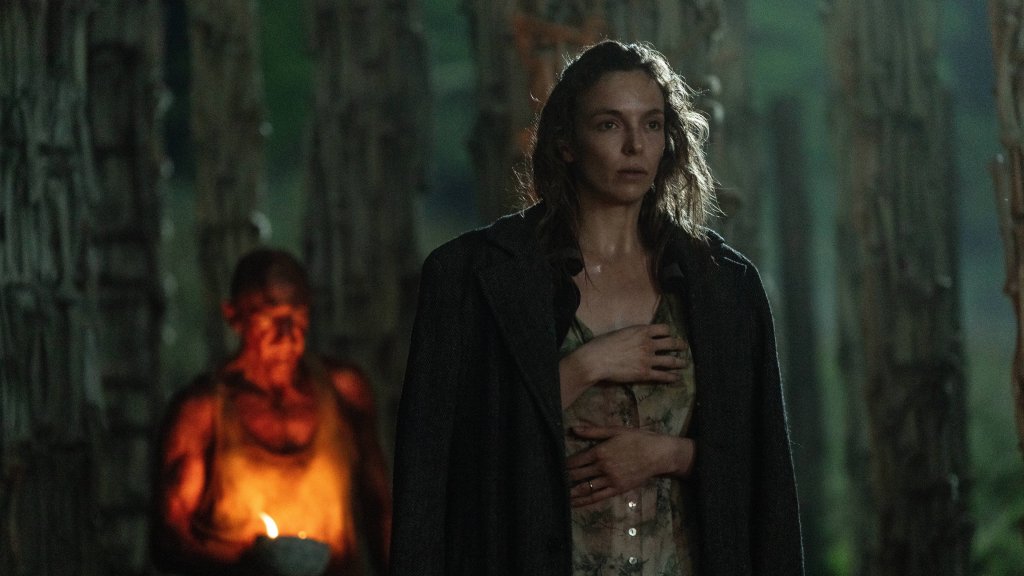
Gone are the then consumer grade DV cameras of the 2000s. Instead, this apocalyptic nightmare is shot on an iPhone. While these changes in visual quality further separate this from the original film it spawned from–Danny Boyle and Anthony Dod Mantle— would use the limitations and flexibility of the iPhone in a way that would remain spiritually connected to the original. The cameras are treated as disposable and often are stitched together on rigs that place twenty iPhones side by side to create the unnerving feeling of the infected closing around you.
Musically, the film could not be more different than 28 Days Later. Gone are the frequent needle drops combined with an orchestral score found within the original. Instead, comes a production rich with samples and inspiring audio cues to create this unnerving and frenetic energy that matches the visuals of the film. The Young Fathers, a hip hop trio, have the film emulate their sound and with it comes this fascinating distorted, beautiful and chaotic shift. The sound of the film is never the same and constantly shifts depending on the tone the film is inhabiting at the time. One of the most memorable moments of the score is using dial-up internet to signify distorted memories and the inciting incident when father and son venture into the unknown. The iconic audio cue within the initial trailer for the film is replicated through the use of the century old recording of Boots, a Rupert Kipling poem. This use fuses together real world history with previous instalments of the franchise in a powerful and moving way. I could not help but contemplate how the echo of war is a constant feeling, and the just and unjust ways in which one is called to war.
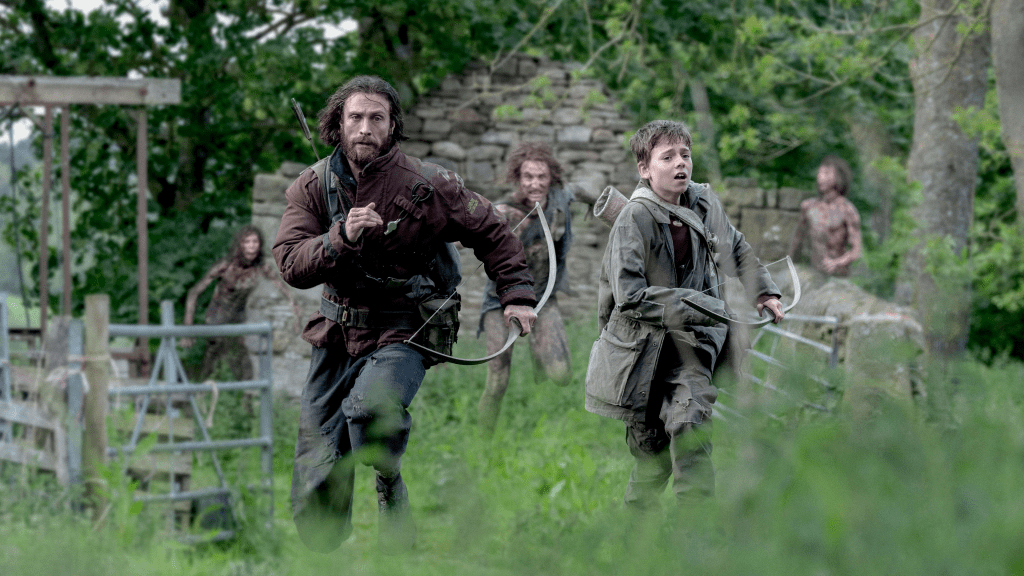
Although 28 Years Later is a legacy sequel, it remains very loosely connected to the original. None of the original cast returns. However, nothing has been scrapped either. While the rest of the world has managed to get the rage virus under control, the UK has largely been abandoned. Gone are the use of electricity and conventional energy sources–the clocks have wound back. Not only that, but the weapons have regressed to the Middle Ages. Bows and arrows take the place of guns, fire is a common energy source, and the main village is fortified by a wooden gate and a tide that comes in and out. This provides some security but also can prevent those who leave the village from getting back home if they do not get there in time. Most who leave the village do not come back.
28 Years Later deals with the fractured life this creates. Where history has been distorted, and fathers regularly take their sons into the mainline to kill their first infected. This is where the film’s story begins. After a brief prologue that connects us more closely to the first film, 28 Years Later tells a story of a child and the fractured bond he shares with both parents. His mother is very sick, and the response of the sickness and the world around him has put increased pressure on the son to become a provider. However, the threat of the infected has grown stronger and scarier than ever. Tools have regressed, but the virus has evolved and thrive, with the infected hunting in packs. Fighting is almost ineffective with this evolved version of the rage virus.
Unlike most legacy sequels, this film stands apart because Danny Boyle and Alex Garland are not interested in giving you the same experience you have had before. This feels less like a legacy sequel and more as an extension of the universe. It’s funny, bleak and sombre all at once, and the visual style is chaotically beautiful. The premise of an entire country abandoned by governments feels too real. Like the originator of the zombie genre, George A. Romero, these films are largely about people and the dark nature of humanity. Whether it’s Days, Weeks or Years later, this series feels largely connected to that idea. When life stripes you of all meaning, how do you find it again? How sacred is life if there is no one to remember those we have lost? 28 Years Later asks these questions spliced with characters with varying viewpoints and feelings. Characters that look menacing and scary catch you off guard with their broken but sobering view on life. In a world that doesn’t make sense, how can one truly stay sane?
28 Years Later creates a unique raw energy for an entirely new generation. Chaotic camera sequences, an evolved version of the infection, and a premise that has us reflect on the atrocities we continually see in the world around us. This is a rare sequel that rejects the use of nostalgia as a crutch and instead uses the franchise to provide audiences with something new and bold that will stick with them for a long time. They may love it at first, they may hate it, but at least audiences will feel something about the film. We are better off having filmmakers use genres that remind you of what it should be, but what could be.
Watch the trailer right here.
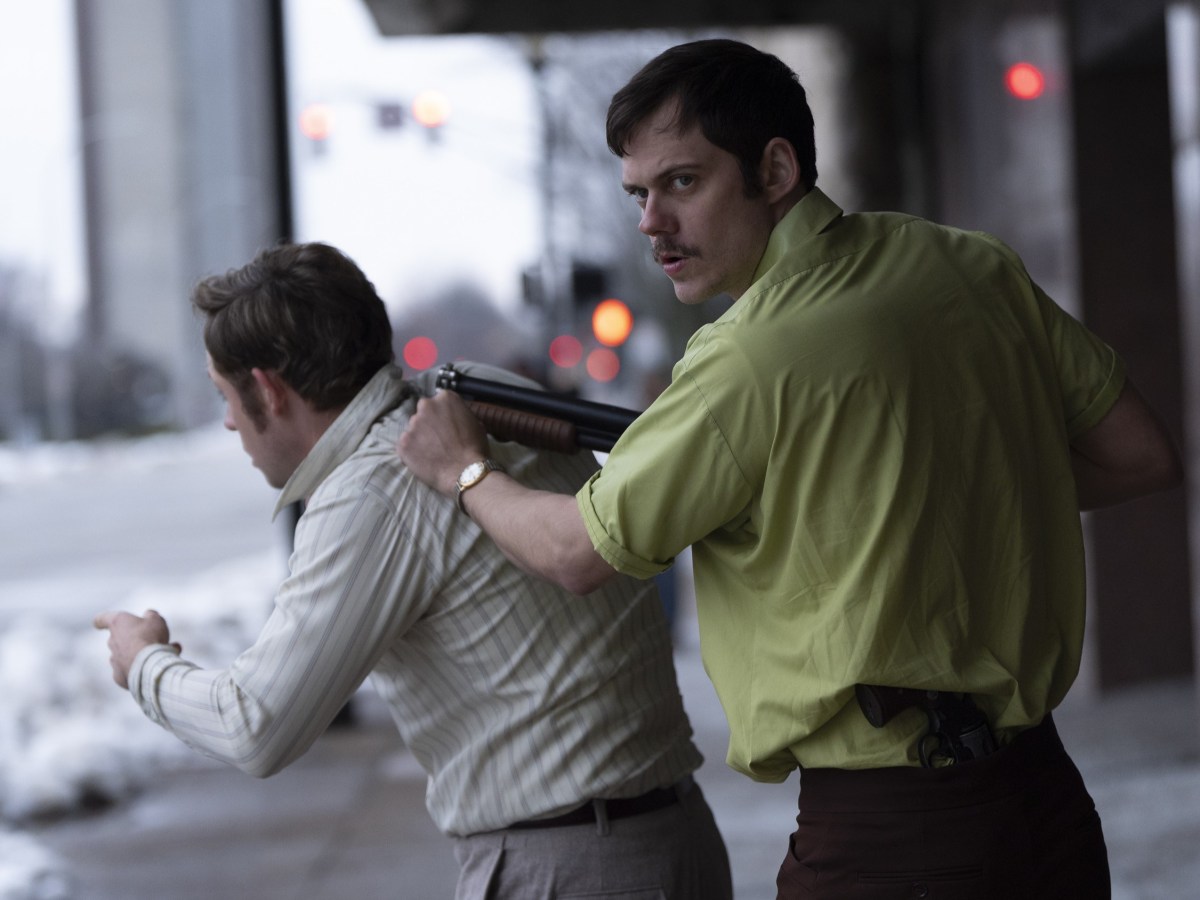
All images via Sony.
Directed by Danny Boyle
Screenplay by Alex Garland
Produced by Danny Boyle, Alex Garland, Andrew Macdonald, Peter Rice, Bernie Bellew
Starring Jodie Comer, Aaron Taylor-Johnson, Jack O’Connell, Alfie Williams, Ralph Fiennes
Premiere Date: June 19, 2025
Running Time: 115 minutes
 Cinema from the Spectrum
Leave a comment