
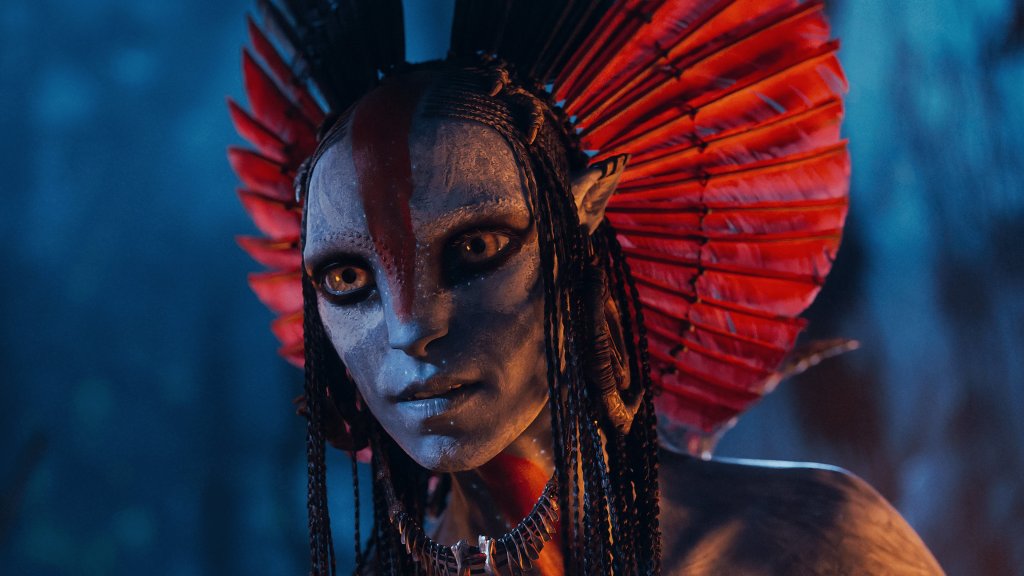

Avatar as a series often finds itself in the crosshairs between different fandoms. The debate is spurred by whether the series is culturally significant or not. What is often missed within its continued cultural analysis is that Avatar is built as a singular experience. Similar to how Star Wars began, Avatar primarily exists as a film franchise, audiences only need to see the previous films to grasp what is going on within the franchise. Avatar now exists as a trilogy. As a result, it has built a fandom of its own, characters have arcs and change within this world. Fire and Ash picks up shortly after The Way of Water. The threat of the Sky People (humans) grows as their continued conquest of Pandora has resulted in a quickly rising number of casualties.
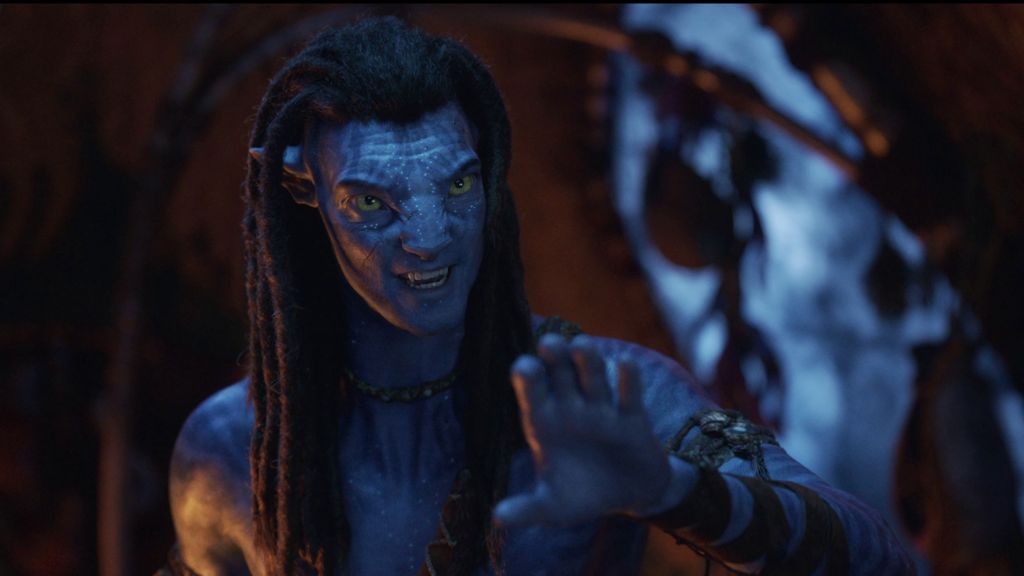
Avatar: Fire and Ash opens on a fresh wound. The death of Jake and Neytiri’s son Neteyam in the last film has transformed the characters. Jake is angry and increasingly doubtful of his ability to protect the planet and his family. Neytiri is full of sorrow and leans heavily into her faith asking Eywa (their deity) on what she should do and how she should do it, often finding these questions echo. Lo’ak blames himself for his brother’s death and finds himself having to take on the mantle of leader his brother left behind. Lo’ak neither feels ready nor worthy of the title. Miles Quaritch however, is on the hunt for Spider, the only connection he has to his previous life. Most of the film, he spends himself obsessing over Jake Sully. A human turned Na’vi who delayed the colonialization of Pandora.
The various plot threads can make this film be seen as unwieldy, in part because of how these ideas are balanced within the film. The film juggles a variety of characters that effectively express different ideas, themes, and questions. Resurrection, identity, inner vs outer self, war, colonization, death, life, and faith to name a few. This ends up causing a rift within the film’s structure where it can feel overstuffed and fragmented. That being said, the film is never boring as a result, as there’s always something interesting to latch onto.
Instead of just having the military as the primarily antagonists, the film introduces the Ash People. The Ash People are a group of Na’vi that have felt abandoned by their faith and as a result have turned to anger and vengeance. They represent what happens when a collective group of people give into hate. The introduction of an Indigenous clan, that counters what we know about the Na’vi, creates a varied dynamic within Pandora’s inhabitants. This allows the film to engage with both strange and dark ideas that separate this film from the previous two entries.
Even if, the film repeats themes and similar ideas. I was still invested in James Cameron’s vision. Each entry adds another layer of detail with a strong utilization of performance capture to allow the actor’s performance to be visible even when the image is augmented as a different species. The viewer can easily attribute the performance to their character. These themes of mortality, life, and death hit home because these characters feel real. At times, you forget that what you are watching is largely digital. The focus on Spider (Jake Champion) in this film is so impactful because of how he interacts with the digital environment. The film becomes more real because of him and how he interacts with the Na’vi and Pandora, it leads you to believe that one day we could actually go there. How was this achieved? I can’t even begin to understand. If Cameron ever gets to make Avatar 4 and 5, I don’t think I will be able to process how much further those films will push the technology. The 3D doesn’t last very long, but the HFR often tried to mirror visual cues, but at the rate it was used, maybe the film should have been a full 48 FPS. The variable frame rate, I don’t think, can naturally overcome the jarring nature of the switch.
Fire and Ash ends the trilogy on a high note. The film goes to dark and uncomfortable places that feel rare within the blockbuster landscape. The grief is real, pain lasts, and the endless quest to colonize Pandora is often reflected in both literal and symbolic images. Humanity and loss rarely makes its way into the relatively safe IP driven landscape Avatar finds itself in company with. When the dust settles and the series reaches its conclusion, one thing is for certain: No one is truly insane and driven enough to direct this series but James Cameron.
Watch the trailer right here.
All images via 20th Century Studios.
Directed by James Cameron
Screenplay by James Cameron, Rick Jaffa, Amanda Silver
Produced by Jon Landau, James Cameron
Starring Sam Worthington, Zoe Saldaña, Sigourney Weaver, Stephen Lang, Oona Chaplin, Jack Champion, Kate Winslet, Cliff Curtis, Joel David Moore, CCH Pounder, Edie Falco, Brendan Cowell, Jemaine Clement, Giovanni Ribisi, David Thewlis
Premiere Date: December 1, 2025
Running Time: 198 minutes





 Cinema from the Spectrum
Leave a comment